The impact of customized office furniture on office spaces is systemic and multi-dimensional , with the core shift from "furniture adapting to space" to "furniture defining space," ultimately achieving a comprehensive upgrade in space function, experience, and value.
The impact of customized office furniture on office spaces is systemic and multi-dimensional , with the core shift from "furniture adapting to space" to "furniture defining space," ultimately achieving a comprehensive upgrade in space function, experience, and value. The following analysis, focusing on core scenarios of customized office furniture, breaks down the impact across six dimensions: space utilization, functional layout, visual experience, employee behavior, brand communication, and smart technology compatibility . Quantitative data and real-world examples are provided for easy implementation and evaluation.
I. Space Utilization: From "Wasted Corners" to "Full-Area Activation"
The core impact of customization is to maximize the potential of space and solve the pain points of standardized furniture not being able to adapt to different spaces:
- Eliminating physical dead spaces : Through embedded, corner-integrated, and column-surrounding designs, wasted space such as around columns, sloping walls, and irregular corners commonly found in office buildings can be transformed into usable areas, increasing space utilization by 20%-40% . For example, a combination of customized storage cabinets and workbenches around a column can transform a 1-2 square meter dead space into employee workstations or storage space.
- Improve vertical space utilization : Custom-designed multi-layer shelves, wall cabinets, and floor-standing filing cabinets can be designed according to the ceiling height to make full use of vertical space, increasing storage capacity by 30%-50% , reducing the accumulation of clutter on the floor, and making the space tidier.
- Achieving high-density and efficient utilization : For open office areas, customized modular workstations and cubicles with partitions can accommodate 15%-25% more workstations in the same area , while ensuring employees' basic office space and privacy.
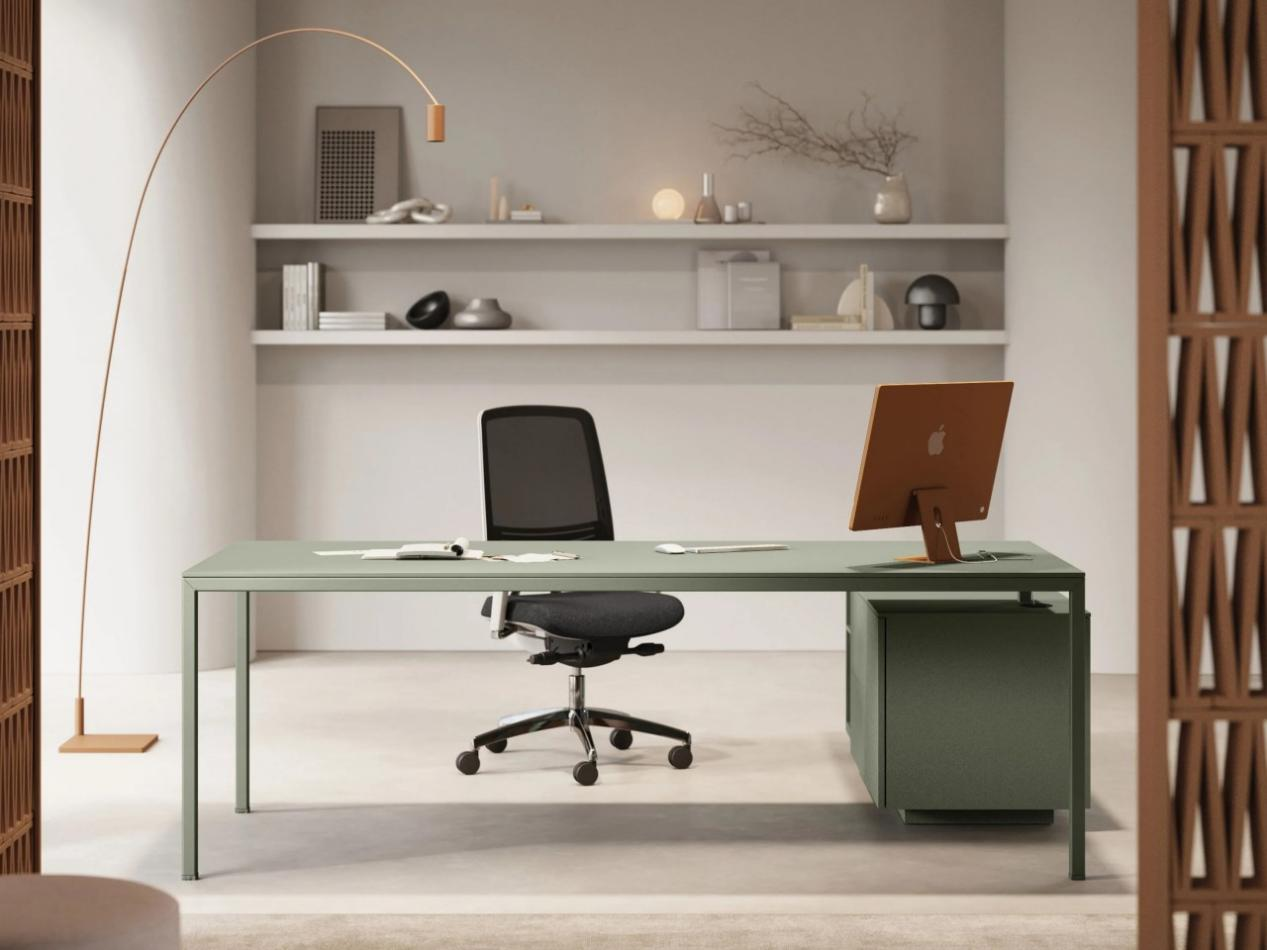
II. Functional Layout: From "Single Zone" to "Multi-Scenario"
for the redefinition of space functions based on a company's office workflow and departmental collaboration needs , enabling "multi-purpose use of one area" and enhancing the flexibility and practicality of the space.
- Breaking down functional boundaries : Customized multifunctional combination furniture integrates office, storage, leisure, and meeting functions into the same area. For example, a foldable conference table + storage cabinet combination serves as an open workstation for employees during normal times, and can be folded up and unfolded into a conference table when needed to meet the needs of team discussions; a reception desk with a sofa serves as both a customer reception area and a temporary rest area for employees.
- Customized functional areas for different departments : Furniture is customized to meet the specific needs of each department, creating dedicated functional areas. For example: the R&D department can customize large workbenches, tool racks , and monitor stands to create an efficient R&D area; the customer service department can customize cubicles with soundproof partitions and integrated cable trays to create a focused work area; and the human resources department can customize interview room furniture and employee filing cabinets to create a one-stop service area.
- Enhance space flexibility : Customized modular and movable furniture , such as modular desks and foldable partitions, allows for rapid space adjustment to meet the needs of business expansion, departmental restructuring, and project team formation, reducing the cost and time of space renovation.
III. Visual Experience: From "Disorder" to "Unity and Harmony"
Customization can enhance the visual appeal of an office space and create a comfortable and professional work environment through a unified design style, color scheme, and material selection .
- Unified Space Style : Custom-made furniture can maintain consistency with the office space's decor and the company's brand identity, creating a unified visual experience from the entrance to the work area. For example, for companies with a modern minimalist style, custom-made furniture with clean lines and neutral colors is suitable; for companies with an industrial style, custom-made furniture with metal frames and solid wood panels is appropriate.
- Optimize the visual proportions of the space : Custom-made furniture can be adjusted in size and proportion according to the size and height of the space, avoiding the feeling of oppression or emptiness caused by furniture that is too large or too small. For example, small modular furniture can be customized for small office spaces to enhance the sense of openness; tall storage cabinets and pendant lights can be customized for high ceilings to balance the proportions of the space.
- Reduce visual clutter : Custom-made furniture can integrate cable trays, power outlets, and storage space to hide wires, documents, office supplies, etc., making the space cleaner, more organized, and improving visual comfort.
IV. Employee Behavior: From "Passive Adaptation" to "Proactive Efficiency"
Customized furniture, by conforming to ergonomics and meeting the diverse needs of employees , influences employee behavior and improves work efficiency and satisfaction.
- Improve employee work comfort : Custom-designed height-adjustable desks, ergonomic chairs, and workbenches with wrist supports meet employees' individual needs, reduce the incidence of cervical and lumbar spine diseases, improve employee work comfort, and indirectly increase productivity by 10%-15% .
- Promote employee collaboration and communication : Customized open workstations, shared meeting area furniture, and lounge sofas break down physical barriers between employees, encourage communication and collaboration, and enhance team cohesion and innovation capabilities.
- Enhance employee sense of belonging : Customize employee-only lockers, booths with personalized logos, mother and baby rooms/accessible facilities to meet employees' diverse needs, make employees feel cared for by the company, improve employee satisfaction and sense of belonging, and reduce turnover rate by 5%-10% .
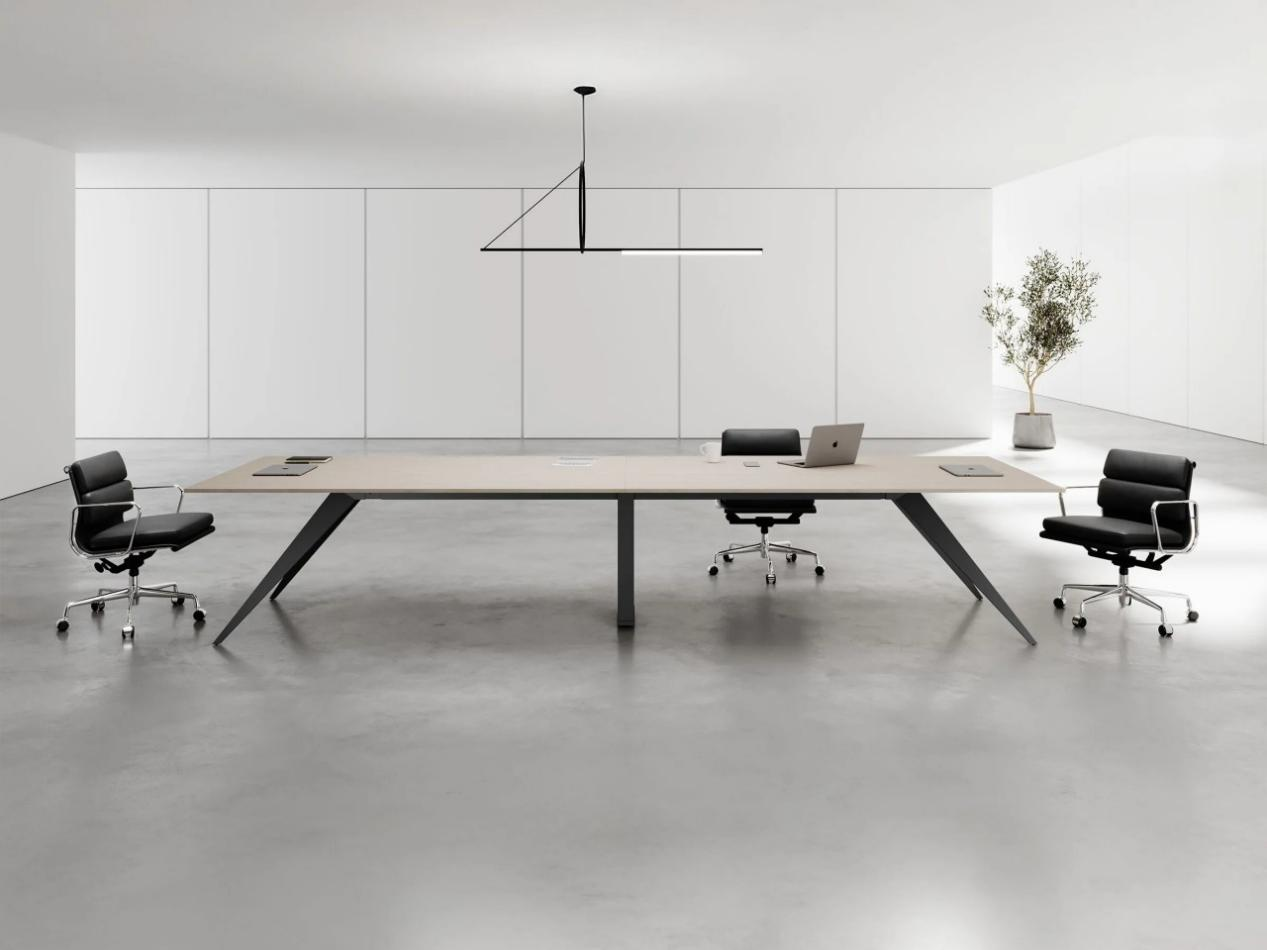
V. Brand Communication: From "Invisible Presence" to "Explicit Expression"
Customized furniture serves as an important carrier of a company's brand image and corporate culture , conveying brand value in customer reception and employees' daily work.
- Strengthen customer brand awareness : Customize reception desks, meeting tables, and other facilities featuring the company logo and brand colors to convey the company's brand image the moment customers enter the office space, enhancing the brand's professionalism and recognition.
- Conveying Corporate Culture and Values : Corporate culture is conveyed through the design style, material selection, and functional layout of customized furniture. For example, innovative companies customize open-plan, modular furniture to reflect a flexible and collaborative culture; green companies customize furniture made of environmentally friendly materials with embedded greenery to convey the concept of sustainable development.
VI. Intelligent Compatibility: From "Traditional Space" to "Smart Office"
Customized furniture provides the hardware foundation for upgrading to smart offices , enabling office spaces to adapt to future smart devices and systems and achieve long-term compatibility.
- Reserve smart interfaces and cable channels : When customizing furniture, you can reserve wireless charging interfaces, USB interfaces, smart device installation channels, and cable channels in advance to facilitate the later installation of smart devices, such as smart sensor lights, wireless chargers, video conferencing systems, etc.
- Integrated smart furniture components : Customized smart height-adjustable desks, smart lockers, smart conference tables , etc. These pieces of furniture can be linked with smart office systems to achieve automated control. For example, smart height-adjustable desks can be linked with human body sensors to automatically remind employees to stand while working; smart lockers can be linked with employee attendance systems to achieve automatic unlocking.
- Enhance the intelligence level of the space : Create a smart office space by customizing smart furniture, improve employee work efficiency and experience, and enhance the company's technological sense and competitiveness.
Summarize
Customized office furniture represents a comprehensive upgrade of office space, from physical space to psychological space . It not only improves space utilization, optimizes functional layout, and enhances visual experience, but also influences employee behavior, conveys corporate brand image, and adapts to the needs of smart office upgrades. For companies seeking efficient, comfortable, and personalized workspaces, customized furniture is a key means of maximizing space value.

